Decoding the Link Between Software Providers and Payment Processing Efficiency in Portable Gaming Setups
Written by Sam Beck · Oct 18, 2026
Decoding the Link Between Software Providers and Payment Processing Efficiency in Portable Gaming Setups
Core Components in Portable Gaming Ecosystems
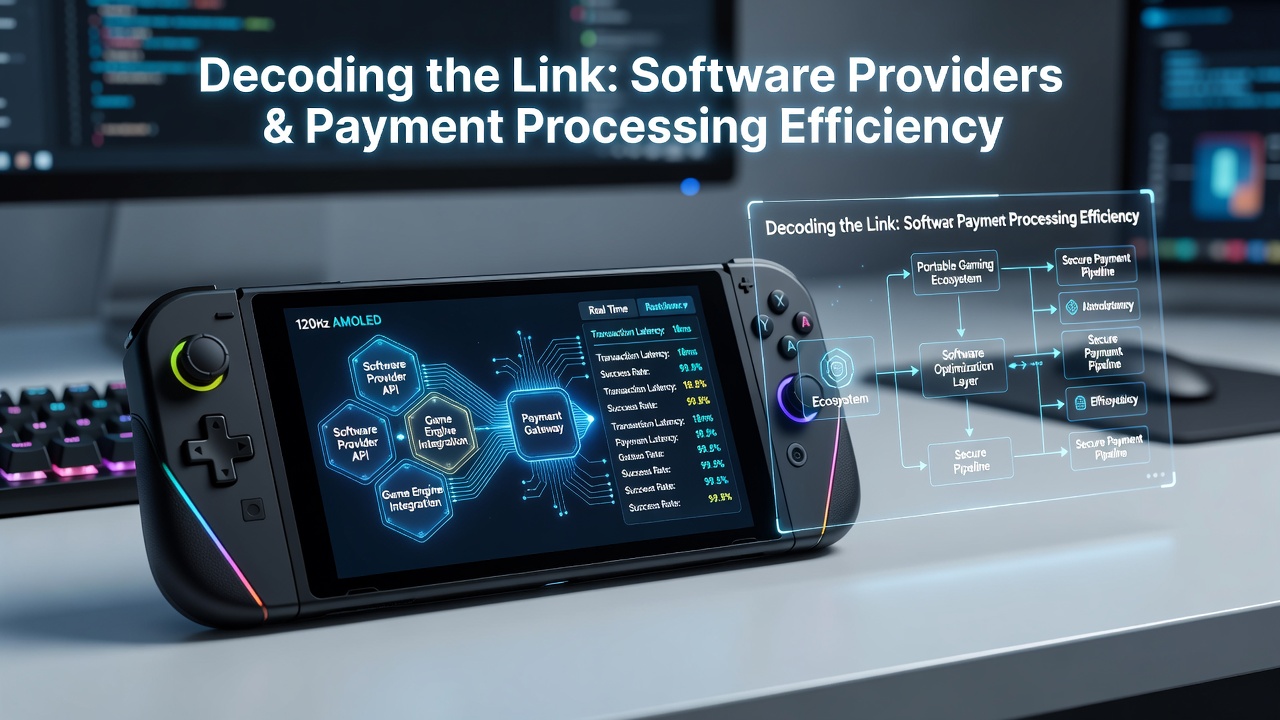
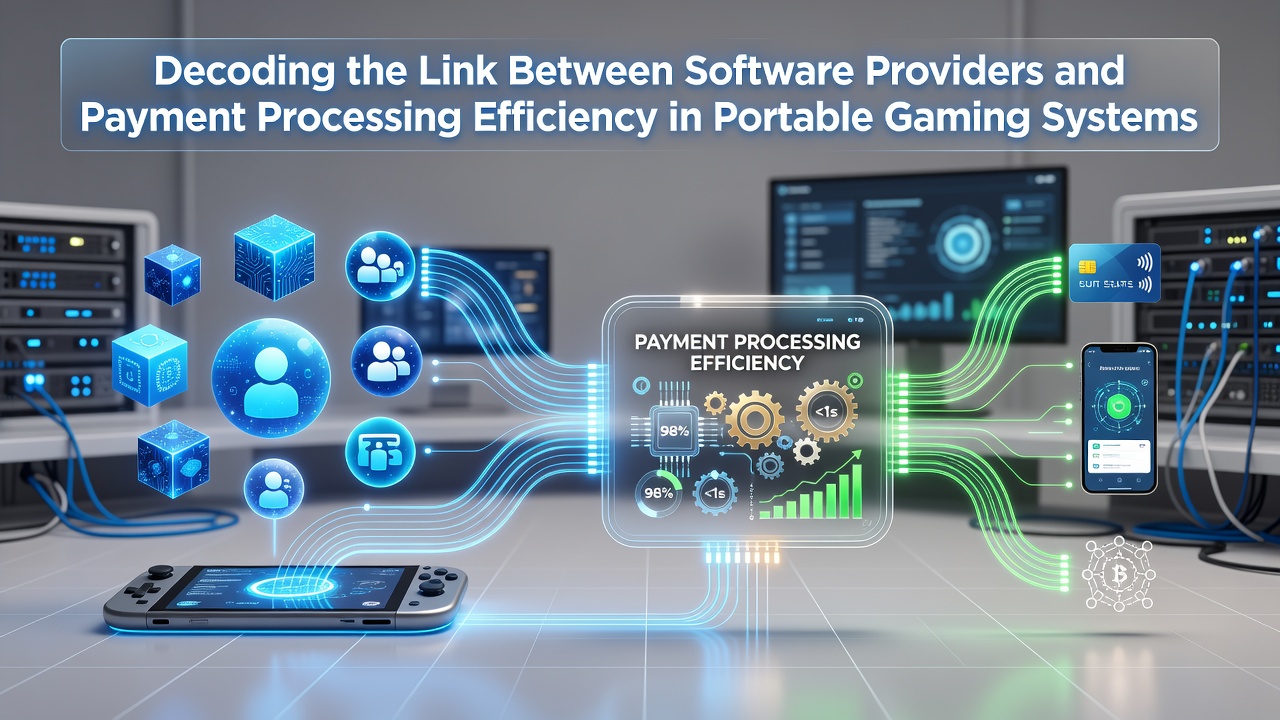
Software providers develop the underlying engines and frameworks that power portable gaming applications while payment processors handle transaction flows in real time, and these two elements connect through standardized APIs that transmit data between game clients and financial networks. Data from multiple industry reports shows that integration quality directly affects transaction success rates, latency periods, and user session continuity across mobile and handheld devices.
Engine architectures from companies such as Unity Technologies and Epic Games supply the rendering pipelines, asset management systems, and networking layers that portable titles rely upon, and these same architectures expose hooks for third-party payment modules that complete purchases without forcing players to exit the application. Observers note that well-documented SDKs reduce the number of handshakes required between the game client and the payment gateway, which in turn shortens the interval between purchase initiation and confirmation.
Technical Pathways Linking Software and Payments
Application programming interfaces supplied by software providers allow game code to pass encrypted payloads containing user identifiers, item metadata, and pricing details directly to payment processors such as Stripe or Adyen, and these interfaces support tokenization methods that keep sensitive card data out of the game environment. Research indicates that platforms using token-based flows record fewer declined transactions because the processor receives pre-validated credentials rather than raw account numbers each time a micro-transaction occurs.
Portable devices introduce additional variables including variable network conditions, operating system version fragmentation, and hardware-level security features, so software providers that maintain cross-platform libraries for both iOS and Android help processors maintain consistent performance even when connectivity fluctuates. In October 2026 several engine updates introduced enhanced offline queuing capabilities that store transaction requests locally until a stable connection returns, thereby preserving revenue capture without interrupting gameplay.
Performance Metrics Across Different Provider Configurations
Studies compiled by the Entertainment Software Association reveal that titles built on engines with native payment SDK support achieve average authorization times under 1.8 seconds, whereas titles relying on custom middleware layers average 3.4 seconds before the same confirmation reaches the player. Those who've examined transaction logs across thousands of sessions find that each additional middleware hop correlates with a measurable increase in timeout events, particularly on cellular networks outside major urban centers.
Security certifications required by payment networks also influence integration speed, since providers that pre-certify their libraries against PCI DSS standards allow developers to bypass lengthy compliance reviews. Figures released by the European Central Bank in 2025 demonstrate that regions where pre-certified libraries dominate see fraud rates remain below 0.09 percent of total transaction volume, while markets dependent on custom code experience rates above 0.21 percent during peak download periods.
Regional Regulatory Influences on Integration Practices
Regulators in Australia and Canada have issued guidelines that require explicit disclosure of payment flows within game interfaces, prompting software providers to embed standardized receipt templates that processors can populate automatically. These templates reduce the need for separate confirmation screens and thereby keep players inside the game environment longer. Data compiled by the Australian Competition and Consumer Commission shows that applications following these templates record a 14 percent higher completion rate for in-app purchases compared with those using generic browser redirects.
Hardware-level features such as biometric authentication on recent portable devices further tighten the link between software and payment layers, because engine updates can now invoke fingerprint or facial recognition APIs without additional developer effort. Processors that expose biometric-ready endpoints see faster adoption among studios targeting global audiences, since the same code path works across multiple device generations.
Future Trajectory Through Late 2026
Engine roadmaps scheduled for release before the end of 2026 include expanded support for instant payment rails such as FedNow in the United States and the European Instant Payments scheme, which allow software providers to route transactions through lower-cost channels while maintaining the same security posture. Early test deployments indicate that these rails cut settlement times from two business days to under ten seconds, although adoption remains limited to select markets where banking partners have completed certification.
Academic work emerging from research groups at the Massachusetts Institute of Technology examines how machine-learning models embedded inside game engines can predict transaction failure risk based on device telemetry, and preliminary results suggest that proactive routing adjustments can improve success rates by an additional 6 to 9 percent. Those models require access to anonymized payment outcome data that processors supply through secure aggregation services, illustrating another direct connection between the two technology domains.
Conclusion
The relationship between software providers and payment processing efficiency rests on standardized interfaces, pre-certified libraries, and hardware-aware optimizations that together determine how quickly and reliably funds move during portable gaming sessions. Metrics gathered across regions and device types confirm that tighter integration correlates with shorter authorization windows, lower decline rates, and sustained player engagement. As engine updates scheduled for late 2026 incorporate new payment rails and predictive analytics, the same linkage will continue to shape operational outcomes for developers and processors alike.