Hippodrome Casino Becomes First Worldwide to Deploy Tangam AI Assistant Suite
Written by Gisela Werner · Nov 15, 2026
Hippodrome Casino Becomes First Worldwide to Deploy Tangam AI Assistant Suite
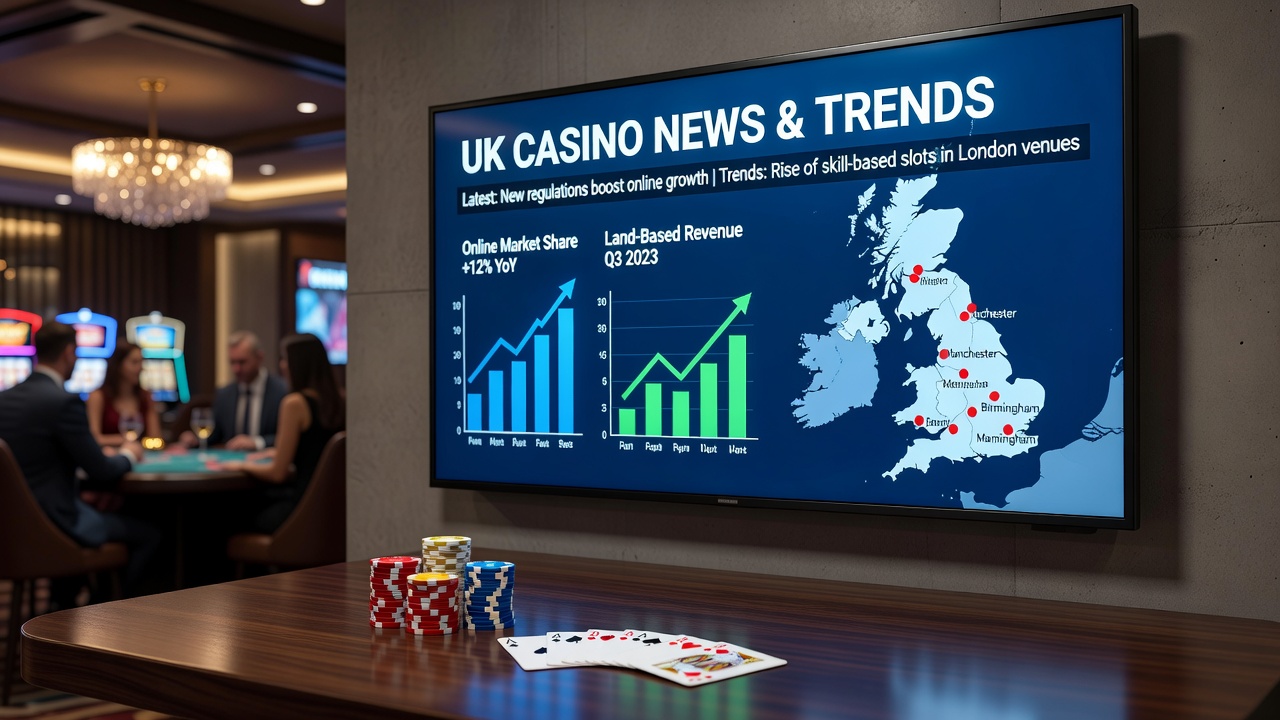
The Hippodrome Casino in London has become the first casino worldwide to implement Tangam Systems’ new AI Assistant and Reporting suite, and this rollout enables operational teams to query casino performance data using natural language while generating insights, visualizations, and automated custom reports for both operational and financial needs.
Staff members gain the ability to ask questions in plain English about revenue trends, table performance, and player activity, after which the system produces relevant visualizations and detailed reports without requiring manual data extraction or coding expertise, and this approach shifts focus toward higher-level decision-making rather than routine report generation.
Details of the Implementation
The deployment integrates directly with existing casino management systems at the Hippodrome, allowing real-time access to performance metrics across gaming floors, and observers note that the AI handles queries ranging from daily revenue summaries to comparative analyses between different time periods or game types, producing outputs that teams can export or share internally.
Automation extends to scheduled reports that compile financial data and operational indicators into standardized formats, reducing the time previously spent on repetitive tasks, while the system maintains data security protocols consistent with industry standards for sensitive financial and player information.
Operational Capabilities Enabled by the AI Suite
Teams at the Hippodrome can now request visualizations such as heat maps of table occupancy or graphs tracking slot machine performance over specific intervals, and the AI processes these requests by pulling from integrated databases to deliver results in seconds rather than hours, according to details shared in industry coverage of the launch.
Custom report generation covers areas like compliance documentation, staffing optimization based on peak hours, and expense tracking tied to gaming activity, and these features operate through an interface designed for users without technical backgrounds, which broadens access across departments including finance, operations, and floor management.
Evidence from the implementation shows that report automation handles recurring requests such as weekly performance summaries or month-end financial reconciliations, freeing personnel to analyze results and identify improvement opportunities instead of compiling the underlying data.
Context Within Technology Adoption Trends
The Hippodrome’s adoption aligns with broader patterns in land-based gaming where venues explore AI tools to manage increasing volumes of operational data, and reports from sources like the InterGame Online coverage confirm this as the initial global deployment of the Tangam suite in a casino setting.
Additional industry analyses, including those referenced in materials from the International Gaming Institute at the University of Nevada, indicate that natural language interfaces reduce barriers for non-technical staff when interacting with complex datasets, and the Hippodrome case provides a concrete example of this application in a high-volume urban casino environment.
Operational teams report streamlined workflows because queries that once required coordination with IT or data specialists now resolve directly through the AI assistant, and this change supports quicker responses to floor-level developments such as adjusting game offerings based on real-time utilization figures.
Conclusion
The Hippodrome Casino’s deployment of the Tangam AI Assistant and Reporting suite establishes a benchmark for data interaction in casino operations, with features centered on natural language queries, automated visualizations, and report generation that directly address efficiency in performance monitoring and financial tracking.
Future expansions of similar tools may build on this foundation as more venues evaluate AI integration for operational tasks, yet the current implementation remains focused on delivering measurable time savings and enhanced data accessibility for the London-based team.