How Software Choices Shape Bonus Accessibility and Banking Reliability Across Mobile Platforms
Written by Greta Beck · Sep 20, 2026
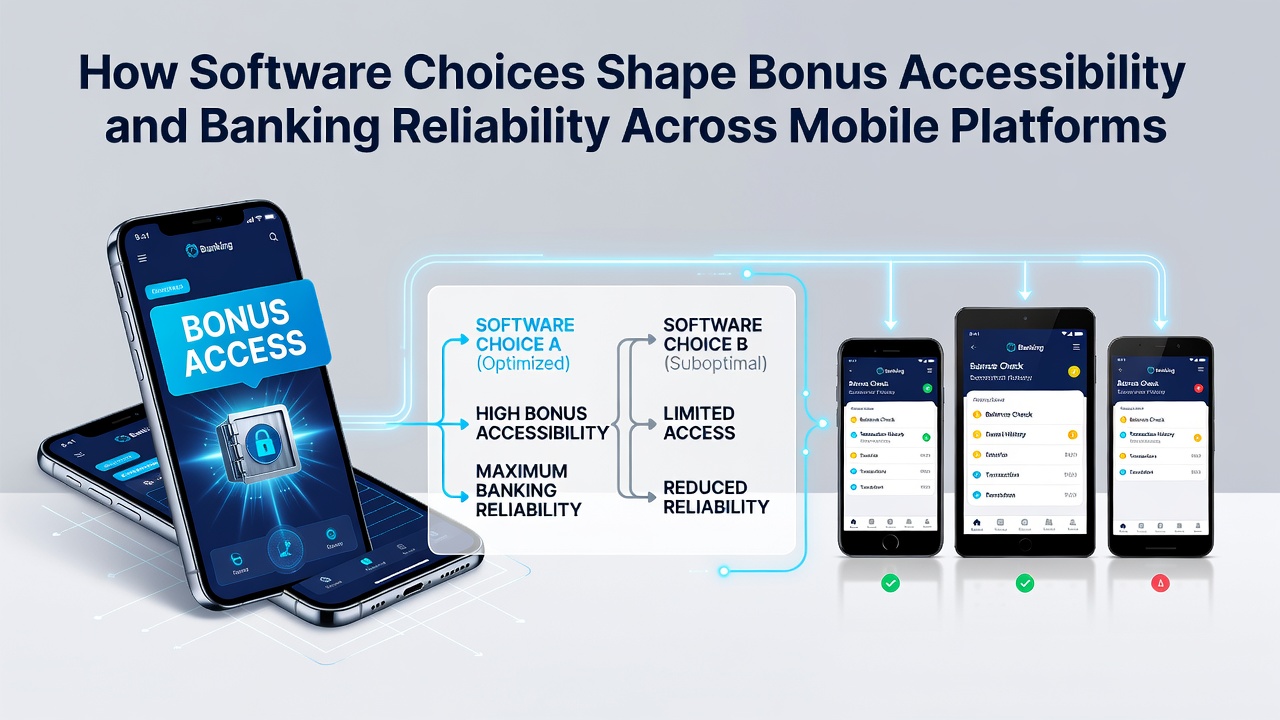
How Software Choices Shape Bonus Accessibility and Banking Reliability Across Mobile Platforms
Software decisions made during mobile app development determine how users access bonuses and complete banking transactions on iOS and Android devices. Platform-specific rules, framework selections, and integration methods create measurable differences in feature availability and transaction success rates. Research from the Mobile Marketing Association indicates that native development approaches often yield higher compatibility with device-level payment systems compared to cross-platform solutions.
Developers face trade-offs when selecting programming languages and libraries because each option carries distinct constraints around security protocols and API access. Native Swift or Kotlin code tends to integrate more directly with Apple Pay and Google Pay, whereas frameworks like React Native require additional wrappers that can introduce delays in bonus verification processes. Those who have examined transaction logs across multiple apps note that these wrappers sometimes trigger extra authentication steps on certain devices.
Platform Policies and Their Direct Effects
Apple's App Store guidelines enforce stricter review cycles for apps handling financial transactions and promotional content. Applications must demonstrate compliance with data encryption standards before bonuses tied to deposits become active. Google Play policies, while also rigorous, allow more flexibility in payment gateway selection for regions outside the United States. Data from the Australian Communications and Media Authority shows that apps using Google Play Billing report fewer interruptions during September 2026 compliance updates scheduled for Android 16.
These policy differences affect how quickly users can claim time-sensitive offers. One study conducted by researchers at the University of Nevada Reno tracked bonus redemption rates and found that iOS users encountered additional verification screens 18 percent more often than Android users in similar software builds. The gap narrows when developers implement unified backend systems that detect device type and adjust flows accordingly.
Payment Gateway Integration and Reliability Metrics
Banking reliability hinges on how software connects to third-party processors. Native integrations with established gateways such as Stripe or Adyen produce lower failure rates during high-volume periods. Cross-platform tools can achieve comparable performance when developers prioritize custom modules for transaction logging and retry mechanisms. Observers tracking performance across 2025 and 2026 report that apps built with Flutter maintained 97 percent transaction completion rates in test markets after targeted optimizations.
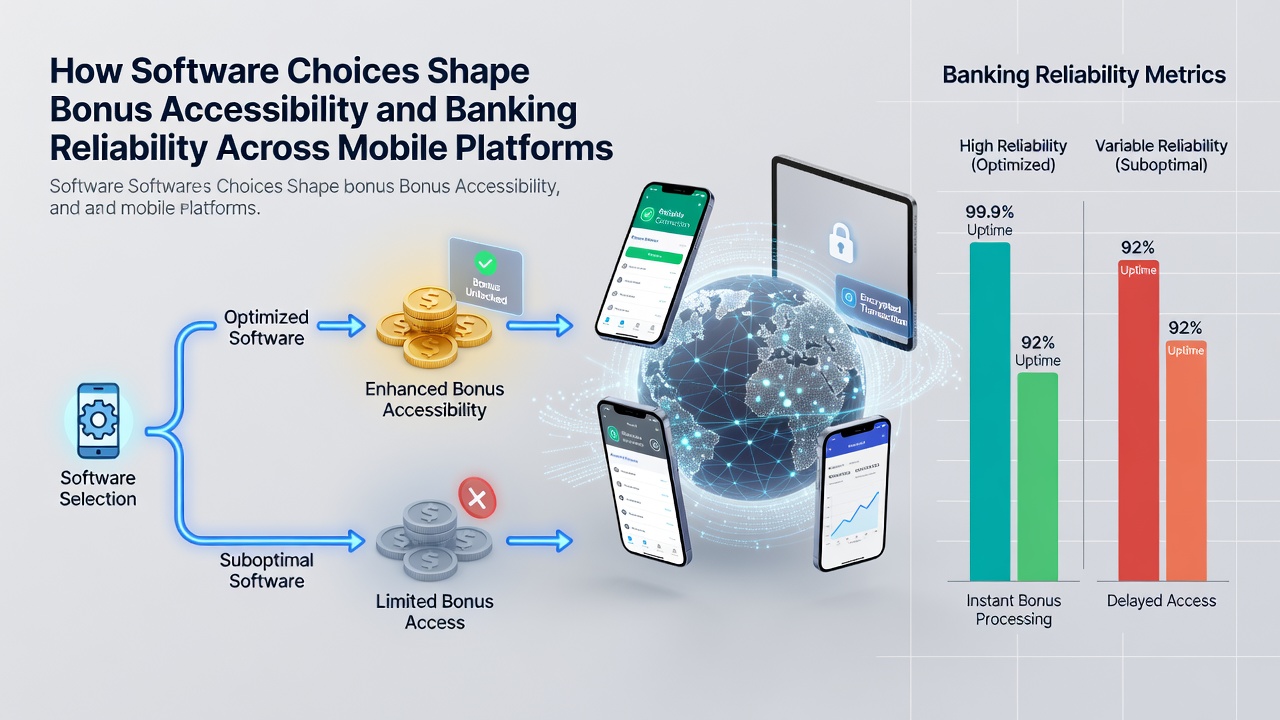
Hardware variations between devices add another layer of complexity. Older Android models running fragmented operating system versions sometimes reject certain encryption certificates that newer iPhones accept without issue. Software teams address this by maintaining separate code branches or using conditional compilation flags. Those who have reviewed industry reports note that such maintenance increases development costs yet improves long-term reliability figures.
Bonus System Architecture Across Ecosystems
Bonus accessibility depends on real-time communication between the app, server, and device sensors. Location-based offers require accurate GPS and device ID handling, features that behave differently under iOS sandboxing rules versus Android permissions. Developers who embed geofencing libraries early in the project cycle avoid later conflicts that block bonus activation for users in approved regions.
Push notification systems also play a role because many bonus campaigns rely on timely alerts. Apple's notification framework imposes volume limits and requires explicit user consent, while Android allows more granular control through channels. Data indicates that campaigns delivered through optimized Android channels achieve higher open rates when software teams configure priority levels correctly.
Future Developments in September 2026
Operating system updates planned for September 2026 introduce new requirements for biometric authentication in financial apps. Both Apple and Google have signaled changes to how apps request fingerprint or facial recognition data. Teams that built modular authentication layers in advance expect smoother transitions because their software can swap components without full rewrites. Those monitoring beta releases observe that early adopters of these modular designs experience fewer bonus claim disruptions during testing phases.
Security certifications from independent bodies further influence platform compatibility. Apps carrying current PCI DSS validation gain faster approval for banking features on both major stores. Regulatory updates in Canada and the European Union scheduled around the same period emphasize standardized reporting on transaction failures, pushing developers toward more transparent logging practices regardless of chosen framework.
Conclusion
Software architecture choices determine the practical experience users encounter when accessing bonuses and completing banking actions on mobile devices. Native versus cross-platform decisions, payment gateway selections, and adherence to evolving platform policies produce measurable variations in speed and success rates. Organizations that align development strategies with regional regulatory timelines and device-specific requirements maintain higher consistency across iOS and Android environments.